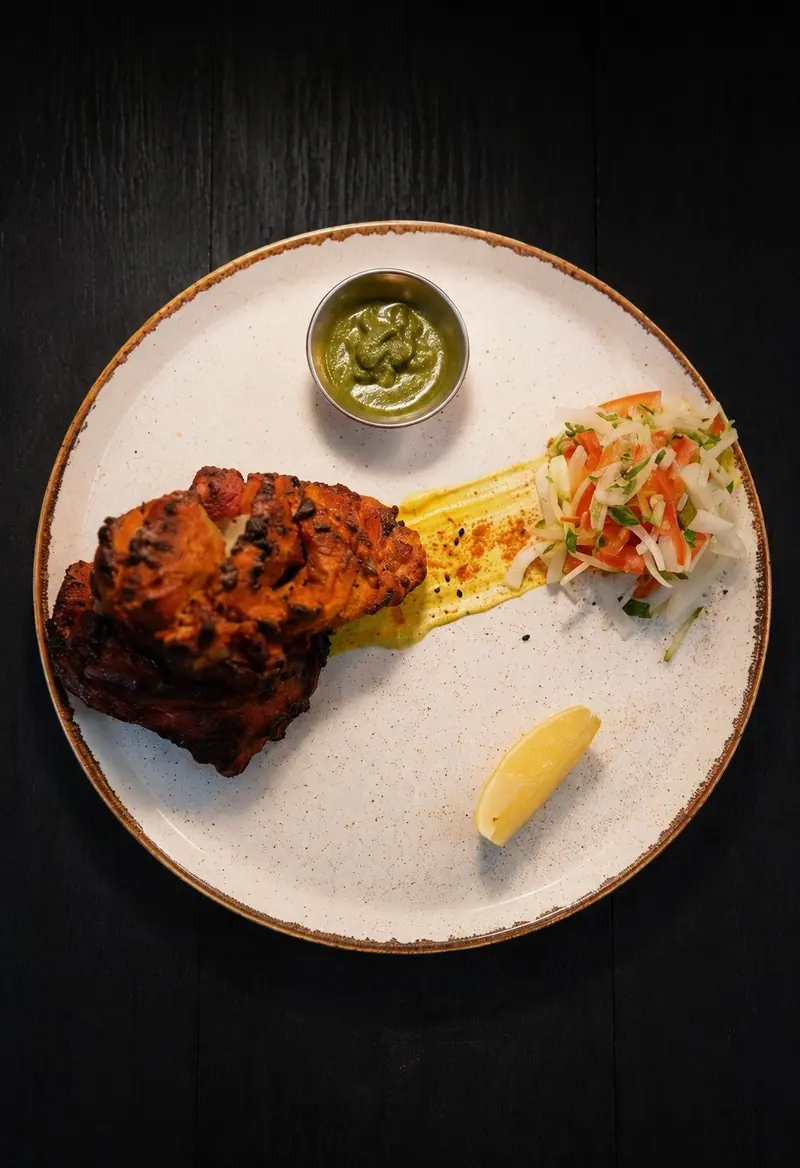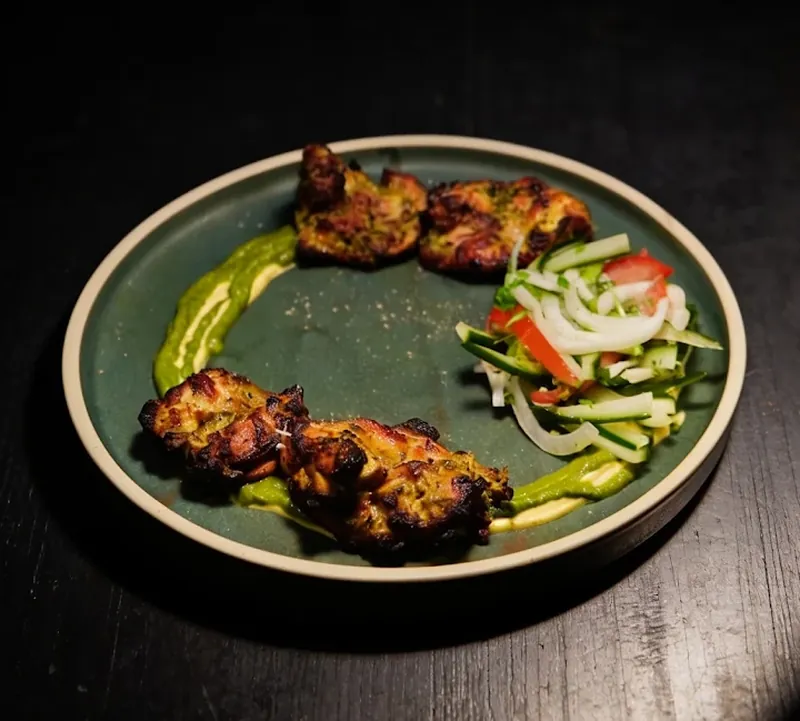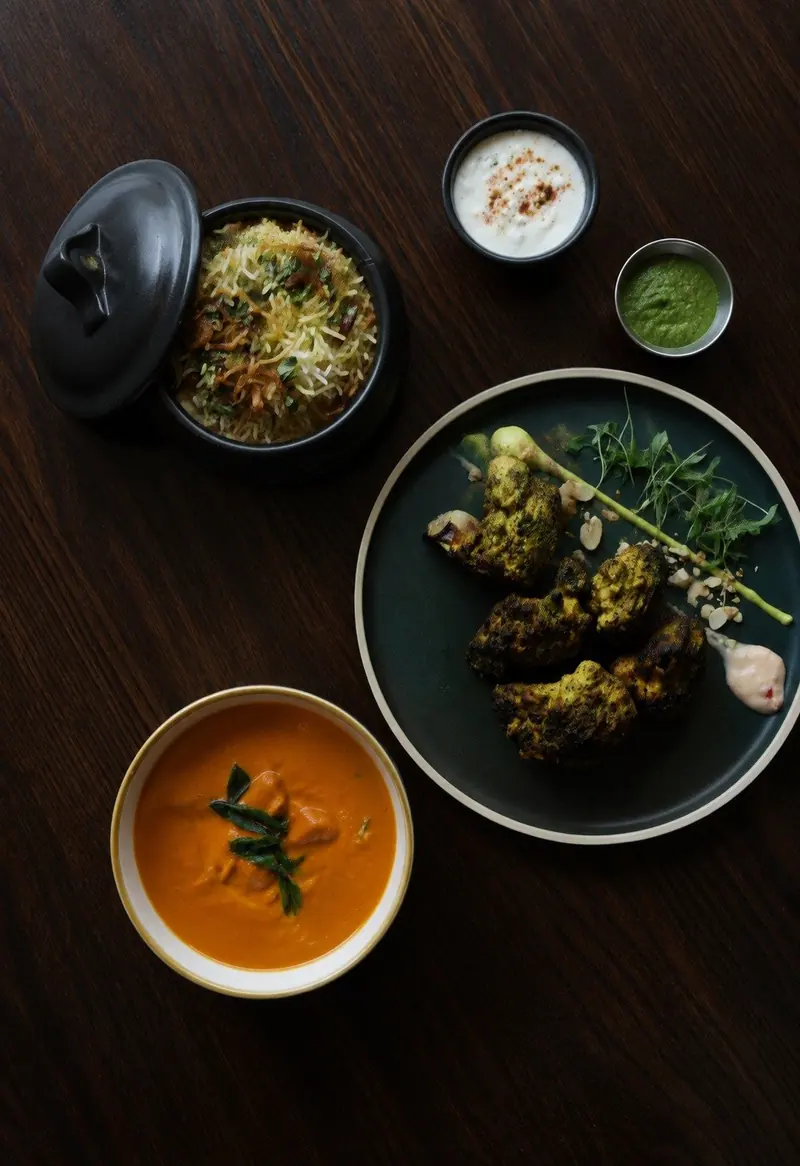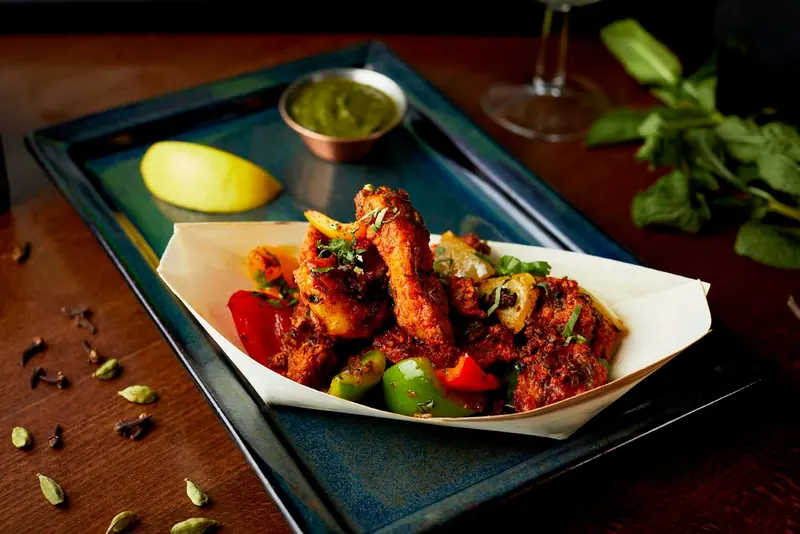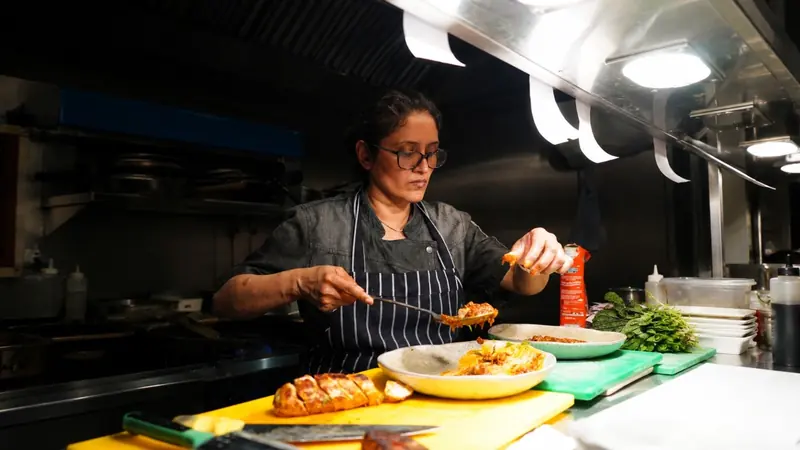
Indian fine dining in London today means regional Indian cooking delivered with classical technique, excellent produce, thoughtful plating and a drinks list built to match. It has grown from a handful of pioneering kitchens into one of the most exciting parts of the city's food scene, and our modern Indian restaurant in Fulham is part of that story.
For decades, Indian food in Britain was mostly known through the high-street curry house, with a menu of dishes adapted for British tastes. Those restaurants built a national love affair. But they rarely showed the range of India's regional cooking, or the skill of the hotel and palace kitchens where many Indian chefs trained. The shift towards fine dining has been about closing that gap.
What makes Indian fine dining different?
It is less about tablecloths than about intent. A fine-dining Indian kitchen tends to do a few things consistently:
- Regional specificity. Dishes are named for where they come from and cooked with their defining spices, not reduced to a generic sauce.
- Classical technique. Proper stocks, careful reductions, precise cooking of meat and fish, borrowed from European kitchens as well as Indian ones.
- Ingredient-led cooking. Excellent produce chosen first, with spice used to frame it.
- Composed plates. Garnishes, textures and sauces designed together, so each plate reads as a finished dish.
- Drinks taken seriously. Wine lists, cocktails and alcohol-free options chosen to work with spice.
How did Indian fine dining evolve in London?
Much of the change came from chefs trained in India's great hotel kitchens, particularly the Taj Group, which has long been a training ground for serious Indian cooking. As these chefs moved to London, they brought regional recipes and professional discipline with them.
A milestone was the recognition of Indian restaurants by the Michelin guide. Quilon in London was one of the first Indian restaurants in the UK to earn a Michelin star. That showed critics and diners alike that Indian cooking belonged in the same conversation as the best European kitchens. Since then, chefs have kept pushing: tasting menus, game and seafood from British suppliers, and techniques from French kitchens sitting comfortably alongside the tandoor.
Where does Pure Indian Cooking fit in?
Our story runs right through that history. Chef Shilpa Dandekar and Faheem Vanoo, the husband-and-wife team behind the restaurant, both began their careers with the Taj Group in India. In London, Shilpa cooked at Quilon, then joined Raymond Blanc's Brasserie Blanc, rising to head chef of its branch at Bank in the City. There she learned classical French technique, such as stock-making, from Raymond Blanc and Clive Fretwell.
In 2015 the two of them opened Pure Indian Cooking on Fulham High Street, with Faheem running the business and front of house. You can read the full account in our founders' story or on the about page. Of running her own kitchen, Shilpa has said it gives her:
"so much freedom to perfect dishes and to experiment"Chef Shilpa Dandekar
How does British produce shape modern Indian cuisine?
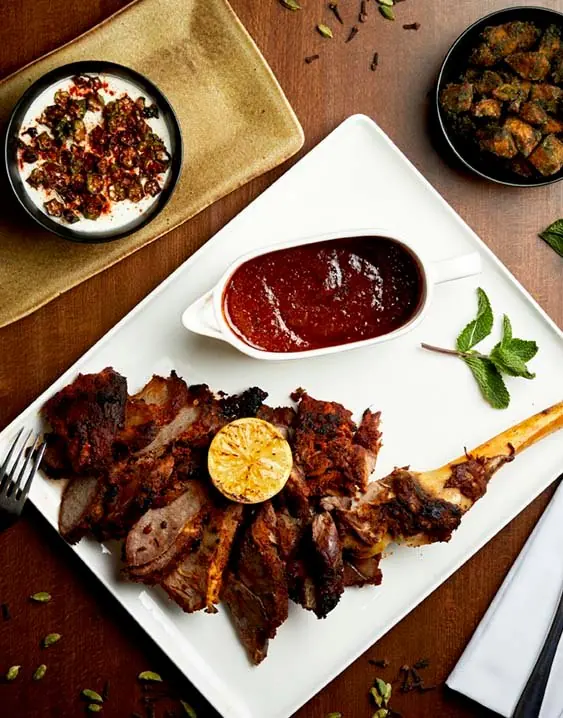
One of the clearest signs of modern Indian cooking is how readily it uses the best of what is around it. On our à la carte menu, the Venison Lal Maas (£23) takes Lincolnshire diced venison and cooks it in a smoky red curry of Jodhpuri chilli, yoghurt and garlic, a Rajasthani idea applied to British game.
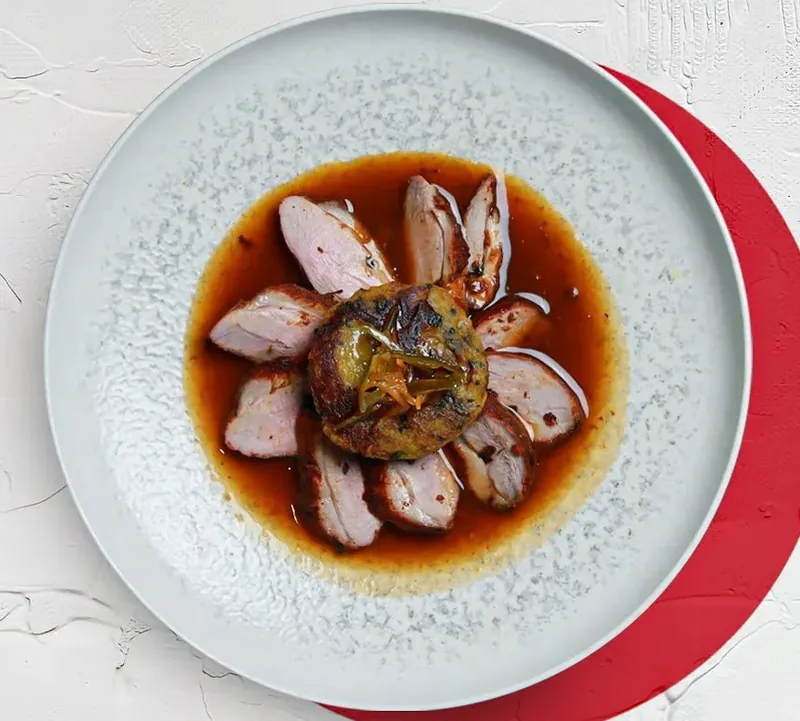
The Tandoori Duck (£22) shows the French influence plainly: Barbary duck breast in a blend of whole spices, with potato turnip rosti, citrus chilli coriander jus, confit orange and lime zest. A jus and a rosti are not traditional Indian ideas, but the spicing is unmistakably so. The same thinking runs through the Garlic Butter Grilled Lobster (£25), served with masala crumb fried avocado, pickled ginger and artichokes in a coconut and curry leaves sauce.
Why are tasting menus part of Indian fine dining?
A tasting menu lets a chef show range: crisp street-food bites, the tandoor, seafood, a palate cleanser, a slow-cooked main and dessert, in the order they were designed to be eaten. Indian food suits the format well, because so much of it is about contrast between sour, spicy, sweet and rich.
Chef Shilpa's tasting menu is £68 per person. It runs from pani puri shots, crispy buttermilk chicken and patra chaat through lamb chops, methi malai chicken tikka and panfried seabass with mixed seafood, then a kokum granita, lamb sukke with asparagus poriyal, dal makhani and naan, and finally a gulab jamun chocolate brownie with coffee and petit fours. Our guide to the Indian tasting menu in London explains how the evening is paced.
What role does wine play?
Wine was once an afterthought with Indian food; in modern Indian fine dining in London it is part of the plan. Spice, chilli and aromatic sauces suit crisp, aromatic whites, off-dry styles and softer reds. Our wine list runs from a Principato Pinot Grigio (£28 bottle / £8 glass) to an Estate Riesling from Dreissigacker (£55) and Champagne, including Taittinger Brut Réserve (£125).
It also includes two Indian wines from Grover's in Karnataka: a Sauvignon Blanc and the red La Réserve, each £41 a bottle or £10 a glass. For more on matching, see our Indian food and wine pairing guide. Cocktails such as the Delicate Saffron Gimlet (£11) and mocktails like the Kokum Sharbat (£7) are on the drinks menu.
What do critics say?
The Resident's review by Judith Baker ran under the headline "A whole new spin on Indian fine-dining", praising dishes including the halibut fish curry, patra chaat, lamb sukke and bhindi anardana. You can read the full review in The Resident. Guests also leave their own reviews on OpenTable.
Does fine dining have to feel formal?
Not here. The cooking is precise, but the welcome is warm and relaxed. Families and children are welcome, as are small, well-behaved dogs, and you can order a single curry and a naan just as happily as the full tasting menu. For a gentler introduction, the early dinner offers two courses for £27 or three for £33 every day from 5.30pm to 6.30pm (not on match days or special events).
Book your table
We are open Monday to Friday from 5.30pm and from 1pm on Saturdays and Sundays, a four-minute walk from Putney Bridge station. Opening hours and directions are on our visit page. When you are ready to see what modern Indian cooking can be, reserve a table online.
Frequently asked questions
What is modern Indian fine dining?
Modern Indian fine dining combines regional Indian recipes and spicing with classical technique, carefully sourced ingredients, composed plating and a considered drinks list. Tasting menus are a common way to experience it.
Where did Chef Shilpa Dandekar train?
Shilpa began her career with the Taj Group in India, then cooked at Quilon in London and at Raymond Blanc's Brasserie Blanc, where she became head chef of its branch at Bank in the City.
How much is the tasting menu at Pure Indian Cooking?
Chef Shilpa's tasting menu is £68 per person. A discretionary 12.5% service charge is added to the bill, and prices include VAT.
Do you serve Indian wine?
Yes. Our list includes Grover's Sauvignon Blanc and Grover's La Réserve, both from Karnataka in India, at £41 a bottle or £10 a glass.
Book a table at Pure Indian Cooking
67 Fulham High Street, London SW6 3JJ · 020 7736 2521