Traditional Indian cooking follows recipes handed down through families and regions, while modern Indian cuisine keeps those flavours but changes the ingredients, techniques or presentation around them. As a modern Indian restaurant in London, we cook both: classics like dal makhani and homestyle lamb curry sit on the same menu as tandoori duck with rosti and pulled lamb tacos.
What is traditional Indian cooking?
Traditional Indian cooking is less a single style than hundreds of them. Each region, community and household has its own way with spice, fat, grain and souring agent. What links them is continuity: recipes are learned by watching and tasting, often over generations, and the goal is to make a dish the way it is supposed to taste.
Traditional dishes are often slow and generous. Lentils are simmered for hours, lamb is cooked on the bone, and meals are served family-style for everyone to share. Technique is refined over time rather than reinvented.
What is modern Indian cuisine?
Modern Indian cuisine starts from the same flavour memory and asks what else it could be. Chefs might swap in local or seasonal produce, borrow techniques from European kitchens, plate dishes individually, or serve a sequence of small courses instead of a shared spread.
The best modern cooking is still recognisably Indian. The spicing has to make sense; the twist should add something rather than distract. The Resident captured that balance in its review of our restaurant, headlined "A whole new spin on Indian fine-dining".
Modern vs traditional Indian cuisine: how do they compare?
| Traditional Indian cooking | Modern Indian cuisine | |
|---|---|---|
| Ingredients | Regional staples and spices | Same spices, often with local or seasonal produce |
| Technique | Inherited methods: tempering, slow simmering, the tandoor | Those methods plus borrowed ones, such as French sauces and jus |
| Presentation | Family-style dishes to share | Composed, individually plated dishes |
| Menu format | Many dishes at once, often with breads and rice | Courses, small plates or tasting menus |
| Goal | Faithful to how a dish should taste | A familiar flavour, seen in a new way |
Which classic dishes do we cook the traditional way?
Some dishes earn their place precisely because they have not been tinkered with. On our à la carte menu:
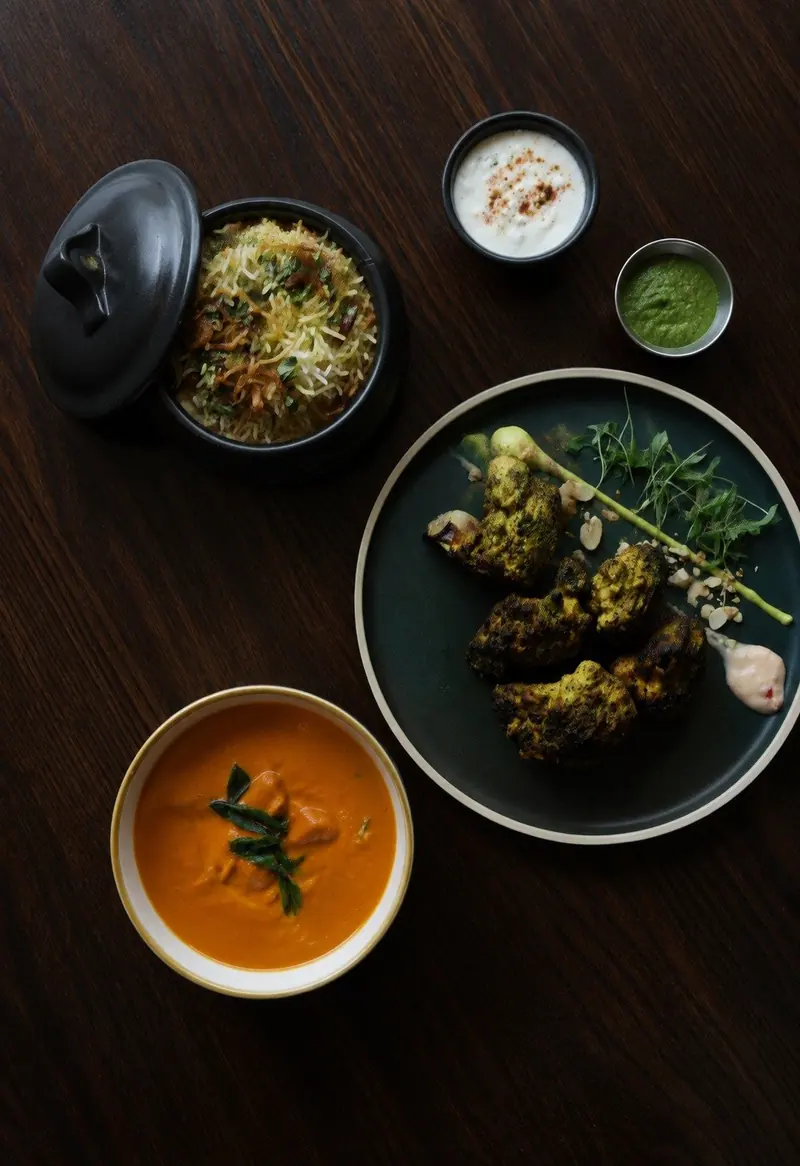
- Dal Makhani (£11): black lentils, slow cooked overnight and mildly spiced. Harden's guide picks out our black daal as its top menu tip, and our Dal Makhani guide explains the slow process.
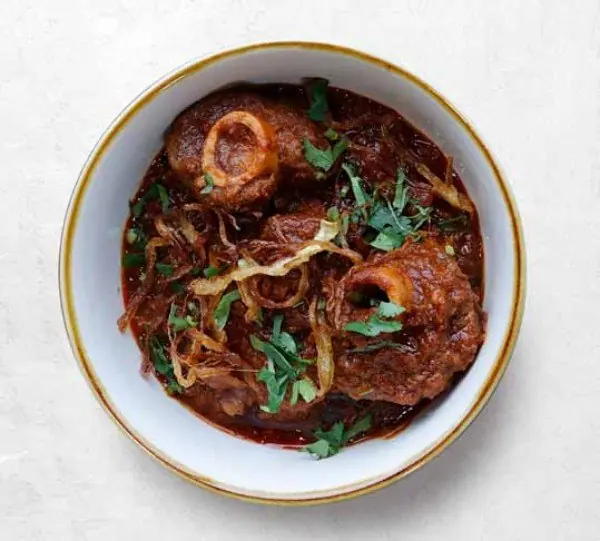
- Homestyle Lamb Curry (£18): slow cooked lamb on the bone with yoghurt, Kashmiri chilli, cinnamon and cardamom.
- Butter Chicken (£16): tandoori chicken breast in a rich, creamy butter and tomato sauce.
- The biryanis: Lamb Biryani (£22), Chicken Biryani (£20) and Prawn Biryani (£23), described on the menu as a traditional rice dish cooked with fragrant spices.
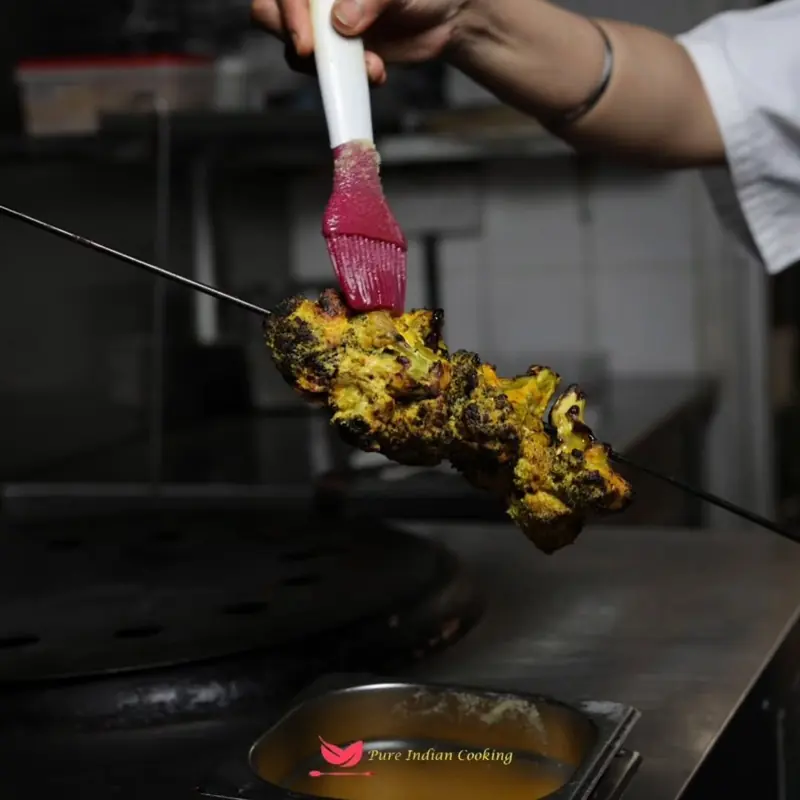
Much of our clay-oven cooking is traditional too. Our guide to tandoori cooking covers how the tandoor works and what comes out of ours.
Which dishes show the modern side?
These are the dishes where Chef Shilpa's training in French technique and her love of good produce come through:
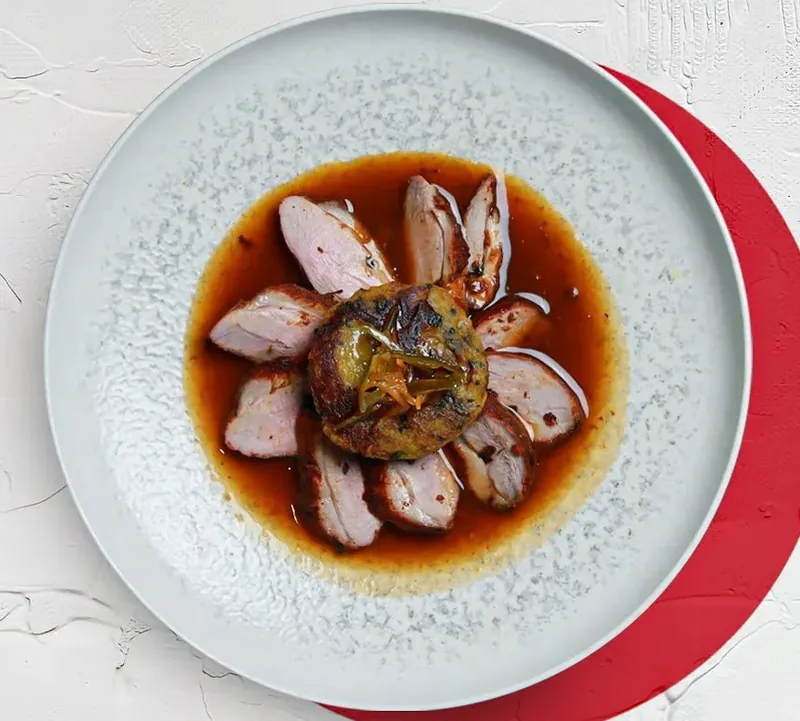
- Tandoori Duck (£22): Barbary duck breast in whole spices with potato turnip rosti, citrus chilli coriander jus and confit orange and lime zest. The rosti and jus come straight from the European kitchen.
- Venison Lal Maas (£23): Lincolnshire venison in a smoky red curry of Jodhpuri chilli, a Rajasthani-style dish built on British game.
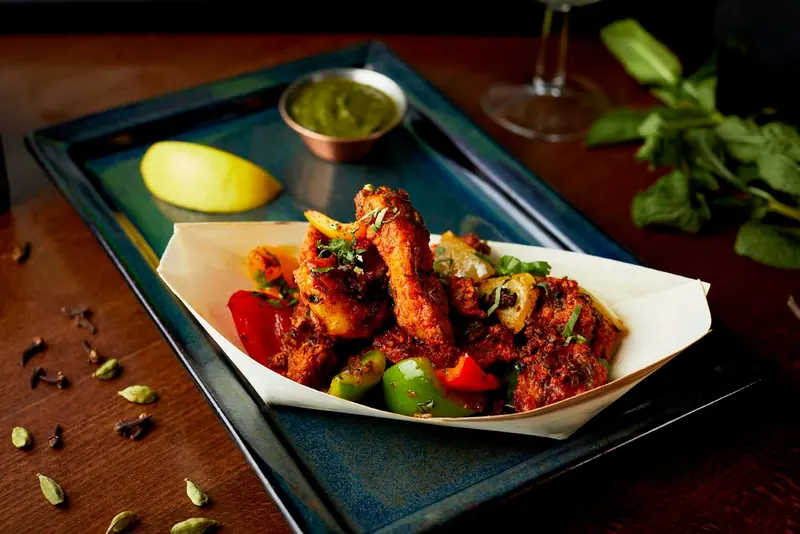
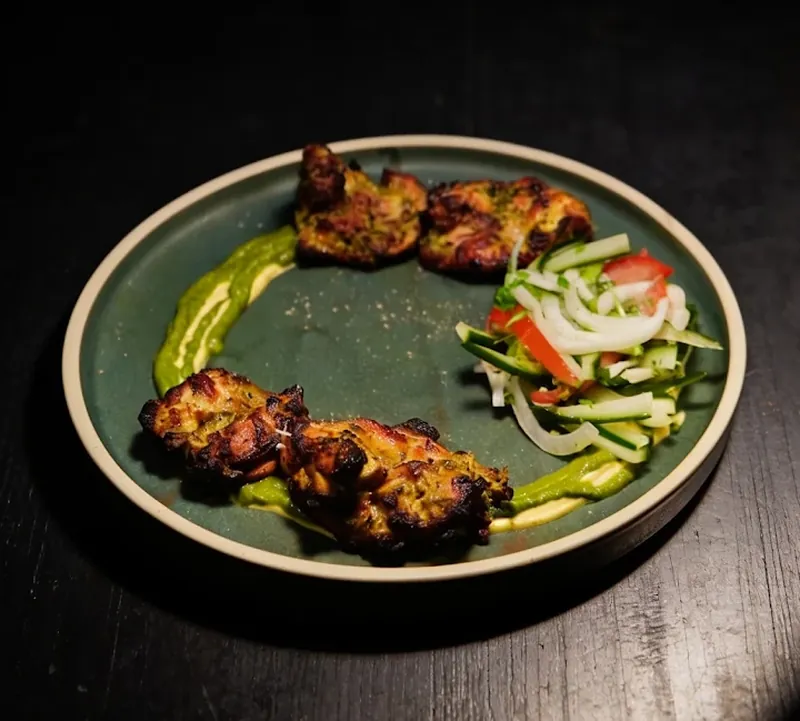
- Shichimi Chilli Tandoori Chicken (£18): the Japanese seven-spice blend meets the tandoor, with kachumber salad and green chutney.
- Pulled Lamb Tacos (£11): spiced pulled lamb in a taco shell with guacamole and spring onion.
- Garlic Butter Grilled Lobster (£25): with masala crumb fried avocado, pickled ginger and artichokes in a coconut and curry leaf sauce.
- Gulab Jamun Chocolate Brownie (£10): a classic Indian sweet reimagined as a brownie, with masala chai sauce and vanilla ice cream.
Where does a modern Indian restaurant in London get its ideas?
Usually from the chef's own path. Chef Shilpa Dandekar began her career with the Taj Group in India, then cooked at Quilon in London, one of the first Indian restaurants in the UK to earn a Michelin star. She moved on to Raymond Blanc's Brasserie Blanc, rising to head chef of its branch at Bank, and learned classical French technique, stocks included, from Raymond Blanc and Clive Fretwell.
Opening her own restaurant in Fulham in 2015 with her husband, Faheem Vanoo, gave her room to bring those worlds together. In her words, running her own kitchen brings:
"so much freedom to perfect dishes and to experiment"Chef Shilpa Dandekar
You can read their full story in how Pure Indian Cooking began or on our about page.
Which should you choose?
You do not have to pick a side. Order a modern starter, a traditional main and share both, or let the tasting menu (£68 per person) do it for you: it moves from pani puri shots and patra chaat to lamb sukke with dal makhani and naan, then the gulab jamun chocolate brownie. For more on how Indian dining has changed, see our piece on Indian fine dining in London.
Come and taste the difference
The clearest way to understand modern and traditional Indian cooking is to try them side by side. Book a table at 67 Fulham High Street, a 4-minute walk from Putney Bridge station, and check opening hours on our visit page. We offer vegetarian, vegan and gluten-free options, with allergens marked on every menu.
Frequently asked questions
What is the difference between modern and traditional Indian food?
Traditional Indian food follows long-established regional recipes and is usually served to share. Modern Indian cuisine keeps those flavours but reworks ingredients, technique or presentation, often with individually plated courses.
Is modern Indian food the same as fusion?
Not quite. Fusion openly mixes cuisines, while modern Indian cooking can be entirely Indian in flavour and simply use new produce or techniques. Some dishes, such as our Shichimi Chilli Tandoori Chicken, borrow from both.
Does Pure Indian Cooking serve classic dishes like butter chicken?
Yes. Butter Chicken (£16), Chicken Tikka Masala (£16), the biryanis and Dal Makhani (£11) are all on our à la carte menu.
Who is the chef at Pure Indian Cooking?
Chef Shilpa Dandekar is our Executive Chef. She trained with the Taj Group, cooked at Quilon in London and was head chef of Brasserie Blanc at Bank before opening the restaurant with Faheem Vanoo in 2015.
Book a table at Pure Indian Cooking
67 Fulham High Street, London SW6 3JJ · 020 7736 2521