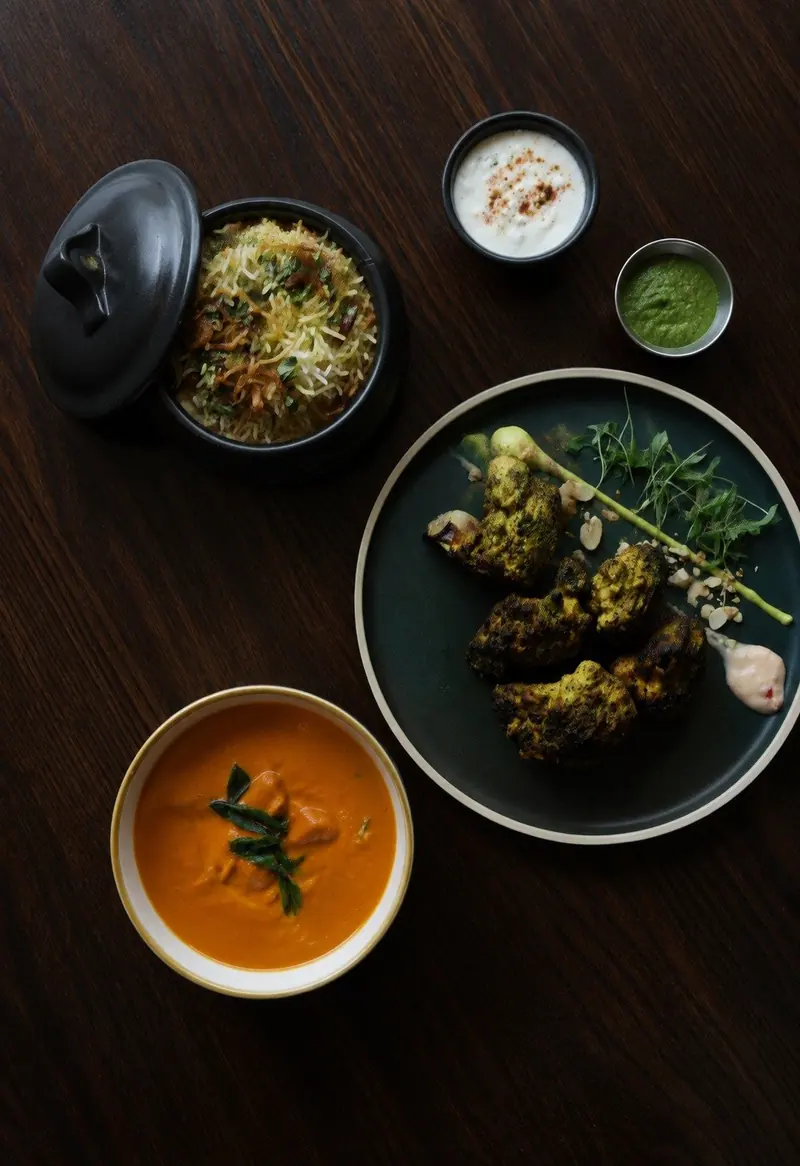
Regional Indian cuisine means cooking that belongs to a particular place: the coconut and chilli of the Karnataka coast, the dry spice blends of Maharashtra, the smoky red curries of Rajasthan and the slow lentils and clay ovens of Punjab. As an authentic Indian restaurant in Fulham, we draw on many of those traditions on one menu, and this guide shows you where each region appears.
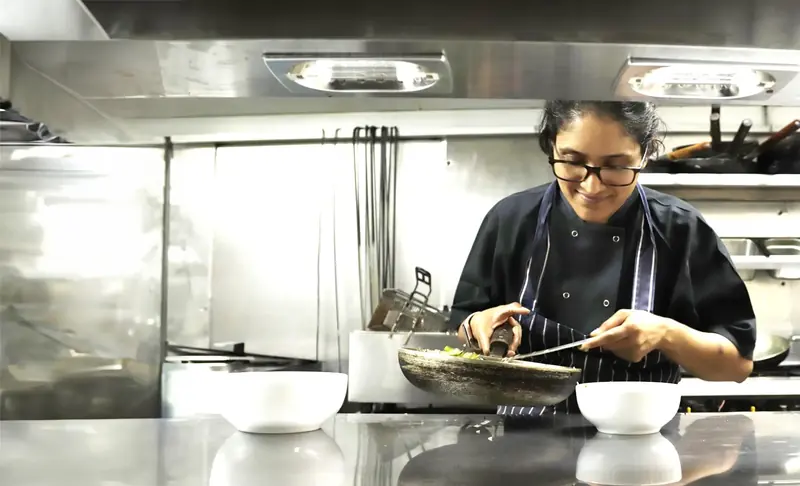
India's food changes every few hundred miles, shaped by climate, crops, coastline, religion and history. A "curry" in Kerala and a "curry" in Rajasthan may share almost nothing beyond the name. Chef Shilpa Dandekar's à la carte menu moves freely between these traditions, so a single dinner can take you from the west coast to the north in a few courses.
| Region | What it is known for | On our menu |
|---|---|---|
| Maharashtra | Robust spice blends, dry preparations, colocasia leaf patra | Lamb Sukke (£18), Patra Chaat (£11) |
| Coastal Karnataka (Mangalore) | Coconut, byadgi chillies, ghee roasts | Mangalorean Chicken (£16), Aloo Ghee Roast (£11) |
| Andhra Pradesh | Fiery, bold chilli cooking | Andhra Shrimps (£11) |
| Kerala (Malabar coast) | Curry leaves, mustard seed, coconut | Malabari Paneer Tikka (£11) |
| Rajasthan | Fiery red chilli curries, game | Venison Lal Maas (£23) |
| Punjab | Tandoor cooking, black lentils, breads | Dal Makhani (£11), dishes from the tandoor |
| Bengal | Mustard, especially kasundi | Tandoori Prawn with kasundi mustard (£16) |
What should an authentic Indian restaurant in Fulham get right?
Authenticity is a slippery word. Home cooks in the same town will argue over the right way to make a dish, and recipes change from generation to generation. For us, an authentic Indian restaurant respects where a dish comes from: its defining spices, its techniques, its balance of heat, sour and sweet. That does not stop the kitchen from using excellent British produce or modern plating.
So you will find a Maharashtrian lamb dish cooked the way its spice blend demands, alongside Lincolnshire venison in a Rajasthani-style curry. Both are true to their roots, and both reflect where we cook today.
Maharashtra: dry spice blends and patra
The cooking of Maharashtra, on India's west coast, ranges from coastal fish dishes to hearty, well-spiced meat from the interior. Maharashtrian cuisine often relies on roasted spice blends and dry preparations, where the masala clings to the meat instead of sitting in a sauce.
Our Lamb Sukke (£18) is a Maharashtrian-style lamb preparation in a spice blend of cloves and chilli, and it is one of the spicier dishes on the menu. Patra, made by rolling colocasia leaves with a spiced gram flour paste, is loved in both Maharashtra and Gujarat. We serve it as Patra Chaat (£11), with yoghurt, date and tamarind chutney, pomegranate, onion, tomato and sev; read more in what is patra chaat?
Coastal Karnataka: coconut and byadgi chillies
Mangalore, on the Karnataka coast, is known for cooking built on coconut, tamarind and the deep red byadgi chilli, which gives colour with relatively gentle heat. Our Mangalorean Chicken (£16) brings succulent pieces of chicken with coconut and byadgi chillies, and our Mangalorean chicken curry guide goes deeper into the region.
The "ghee roast" style, a rich, spiced preparation finished in clarified butter, is also closely linked to this part of the coast. Our vegetarian Aloo Ghee Roast (£11) cooks potatoes with a special blend of spices and curry leaves.
Andhra Pradesh and Kerala: heat and curry leaves
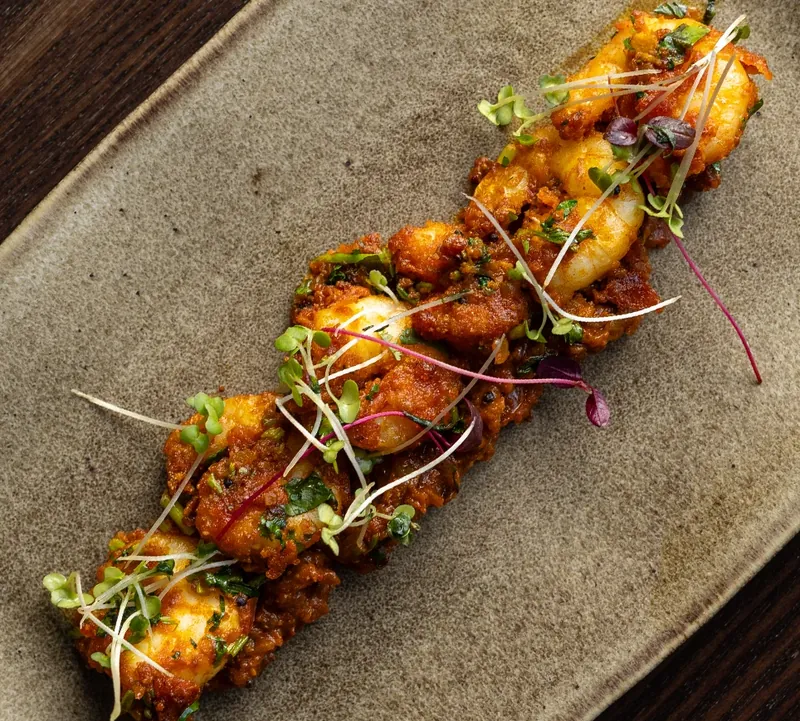
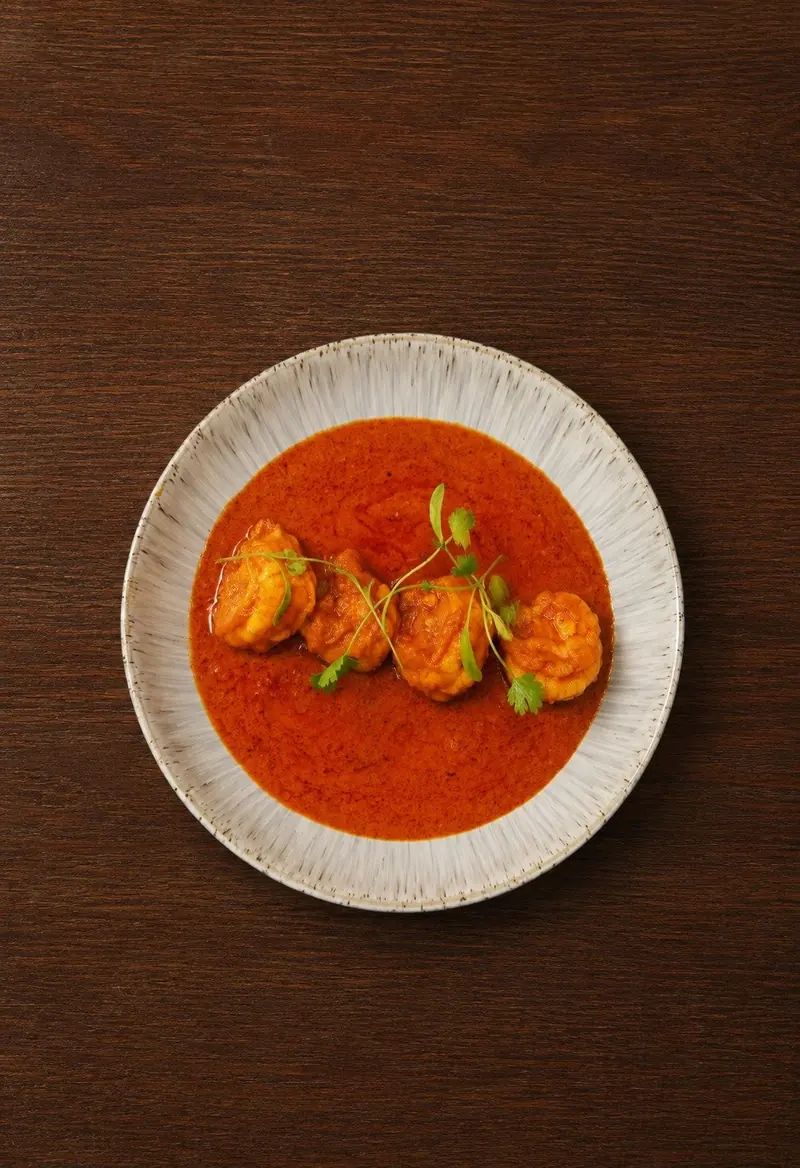
Andhra cooking has a reputation as some of the hottest in India, with generous use of chilli. Our Andhra Shrimps (£11) are tossed in a spicy fennel-flavoured masala, a lively way to start a meal.
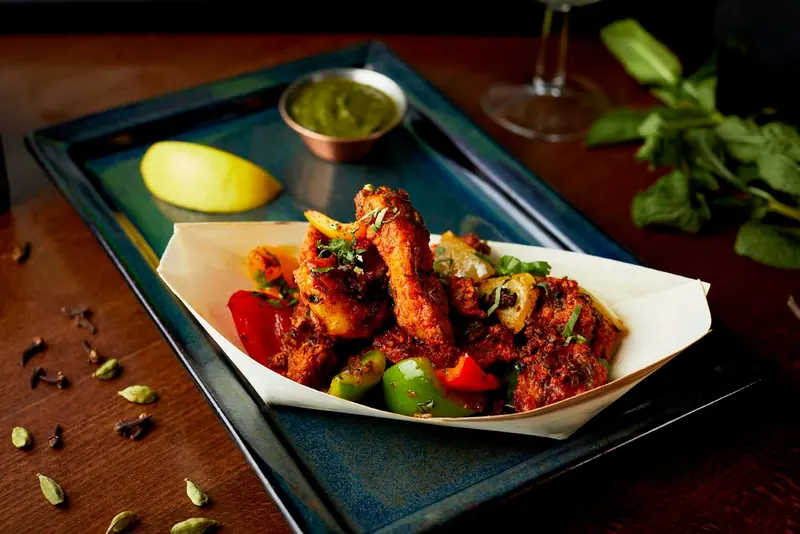
Further south, the Malabar coast of Kerala is famous for curry leaves, mustard seed and coconut, often combined in a quick tempering. Those flavours run through our Malabari Paneer Tikka (£11), where cottage cheese is marinated in yoghurt, curry leaves, mustard and red chilli and stuffed with sultanas. The same southern spirit shows in the Asparagus Poriyal (£9): poriyal is a South Indian style of dry, tempered vegetables, and ours uses mustard, curry leaves and coconut.
Is lal maas really from Rajasthan?
Yes. Laal maas, meaning "red meat", is a celebrated Rajasthani curry, traditionally made with mutton or game and coloured by fiery red chillies. Rajasthan's royal kitchens were known for hunting dishes, which makes venison a natural fit.
Our Venison Lal Maas (£23) uses Lincolnshire diced venison in a smoky red curry of Jodhpuri chilli, yoghurt and garlic. It is a good example of a regional recipe meeting British produce.
Punjab: the tandoor and slow-cooked dal
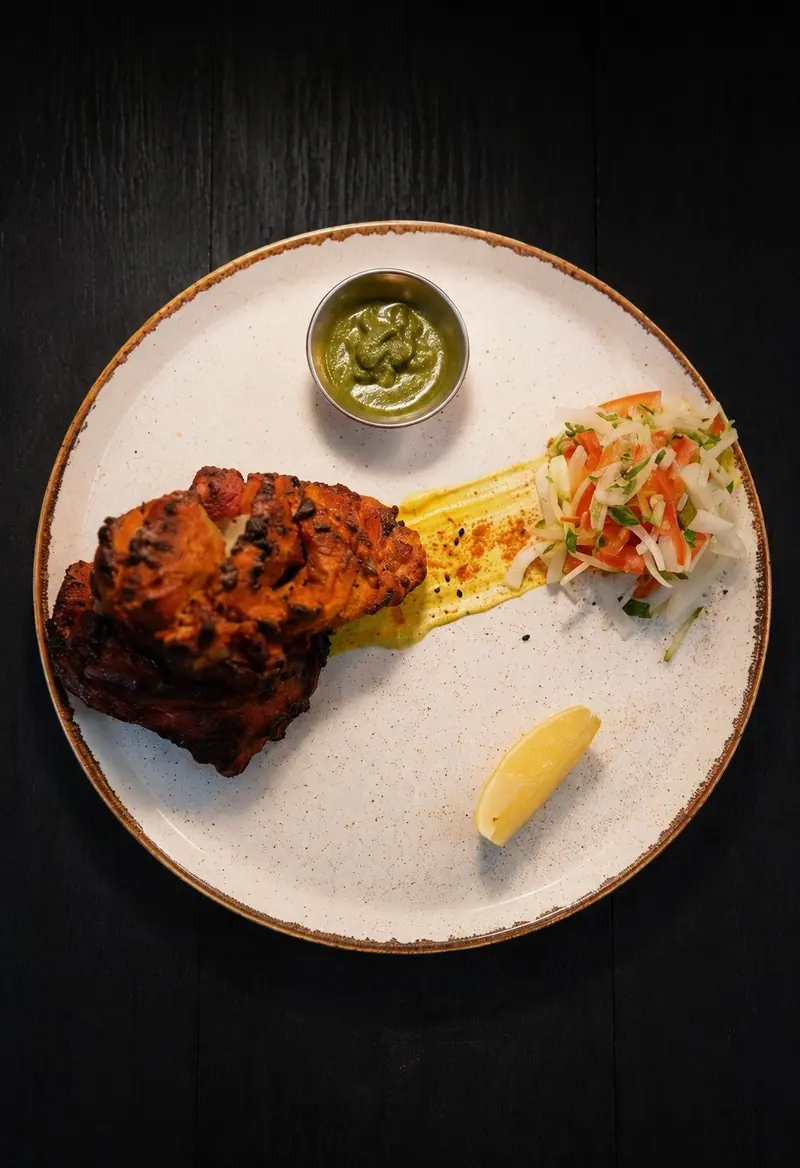
Many of the dishes people think of as "Indian restaurant food" have Punjabi roots: breads and meats from the clay oven, and rich lentils. Our Dal Makhani (£11) is a traditional preparation of black lentils, slow cooked overnight and mildly spiced; our dal makhani guide covers its history. From the tandoor come dishes such as Seekh Kebab (£14), Methi Malai Chicken Tikka (£12) and our naans and Tandoori Roti (£3).
Bengal: mustard and kasundi
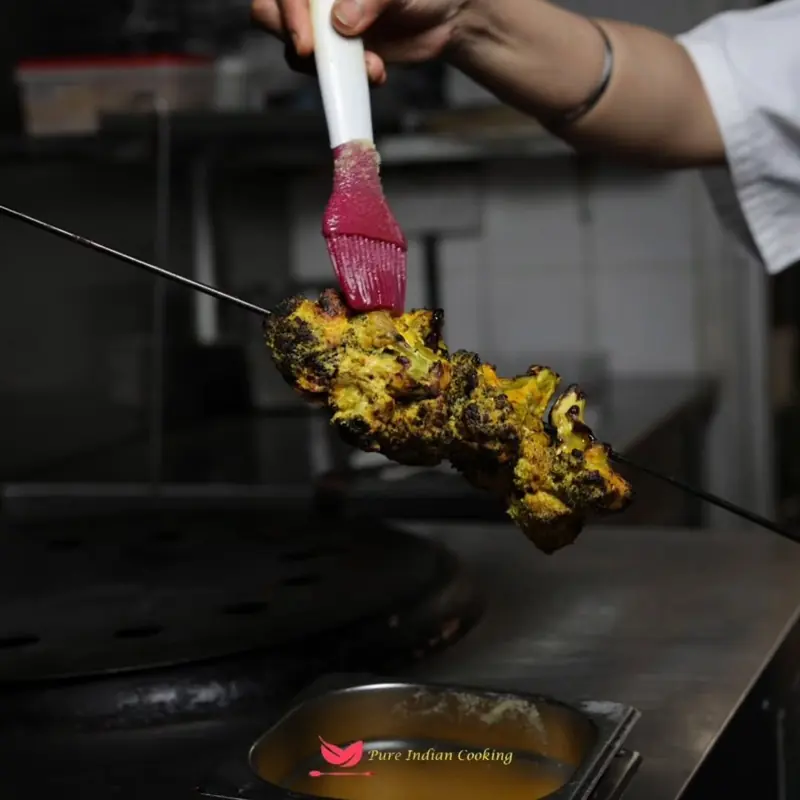
Bengali cooking is known for its love of mustard, in oil, as a paste and in kasundi, a pungent fermented mustard condiment. Our Tandoori Prawn (£16) brings jumbo whole prawns marinated in chilli and kasundi mustard, served with brown butter and chilli coriander sauce: a Bengali flavour cooked in a Punjabi oven.
How do you order a regional tour?
The easiest approach is to share. Choose starters from two or three regions, say Andhra Shrimps, Patra Chaat and Malabari Paneer Tikka, then mains that contrast: a coconut-based Mangalorean Chicken, a dry Lamb Sukke and a Dal Makhani in the middle of the table. Add naan and Saffron Pulao (£4).
If you would rather someone else plans the route, Chef Shilpa's tasting menu (£68 per person) moves through pani puri shots, patra chaat, lamb chops, seabass and mixed seafood, a kokum granita and lamb sukke. Kokum is a sour fruit from India's west coast, also found in our Kokum Sharbat mocktail (£7). You can read about Shilpa's own background, from the Taj Group to London, on our about page.
Plan your visit
We are at 67 Fulham High Street, a short walk from Putney Bridge station, open from 5.30pm on weekdays and from 1pm at weekends. Directions and opening hours are on our visit page. To start your own regional tour, book a table.
Frequently asked questions
Which regions of India does the Pure Indian Cooking menu cover?
Our menu draws on many regions, including Maharashtra, coastal Karnataka, Andhra Pradesh, Kerala, Rajasthan, Punjab and Bengal. Examples include Lamb Sukke, Mangalorean Chicken, Andhra Shrimps, Malabari Paneer Tikka, Venison Lal Maas, Dal Makhani and our kasundi Tandoori Prawn.
What is the spiciest regional dish on the menu?
Dishes marked as spicy on our menu include Lamb Sukke, Andhra Shrimps, Prawn Curry and Seekh Kebab. Our team can guide you on heat levels when you order.
What is the difference between North and South Indian food?
Broadly, North Indian cooking leans on wheat breads, dairy and the tandoor, while South Indian cooking uses more rice, coconut, curry leaves, mustard seed and tamarind. Every region has its own variations.
Can I try several regional dishes in one meal?
Yes. Sharing starters and mains from different regions works well, or you can choose the £68 tasting menu, which moves through several regional dishes in ten courses.
Book a table at Pure Indian Cooking
67 Fulham High Street, London SW6 3JJ · 020 7736 2521