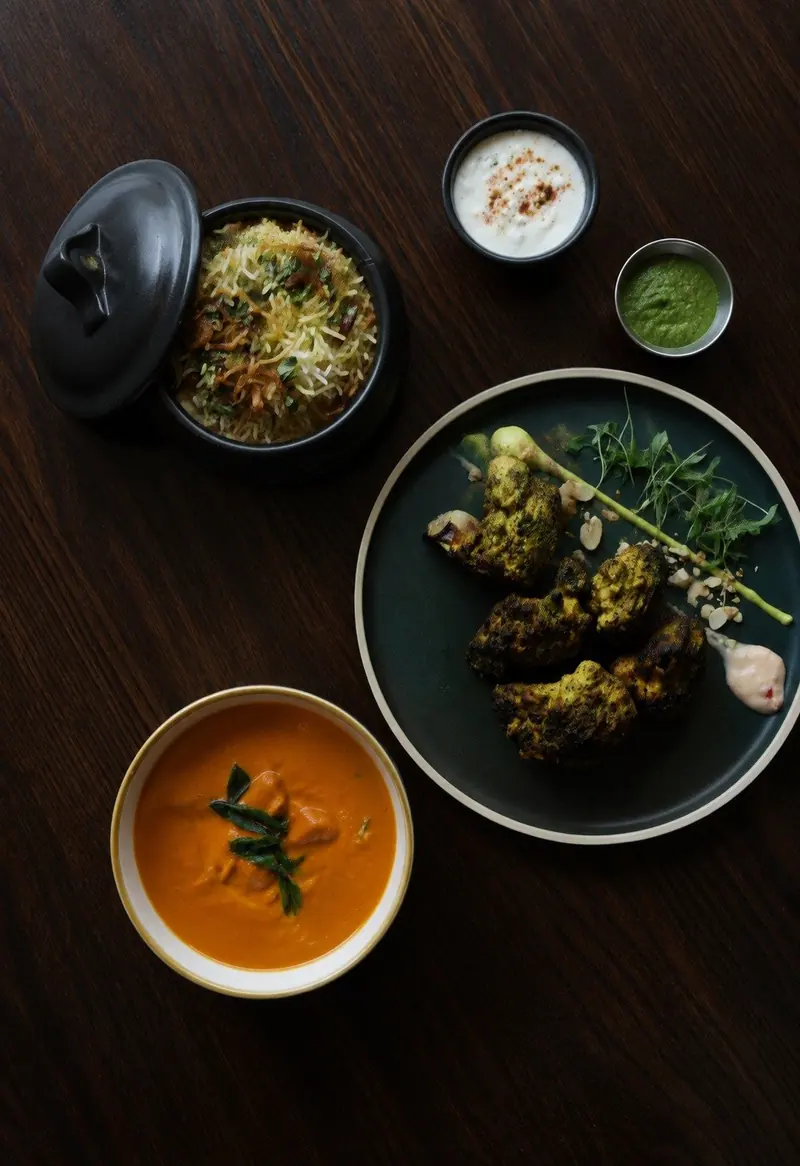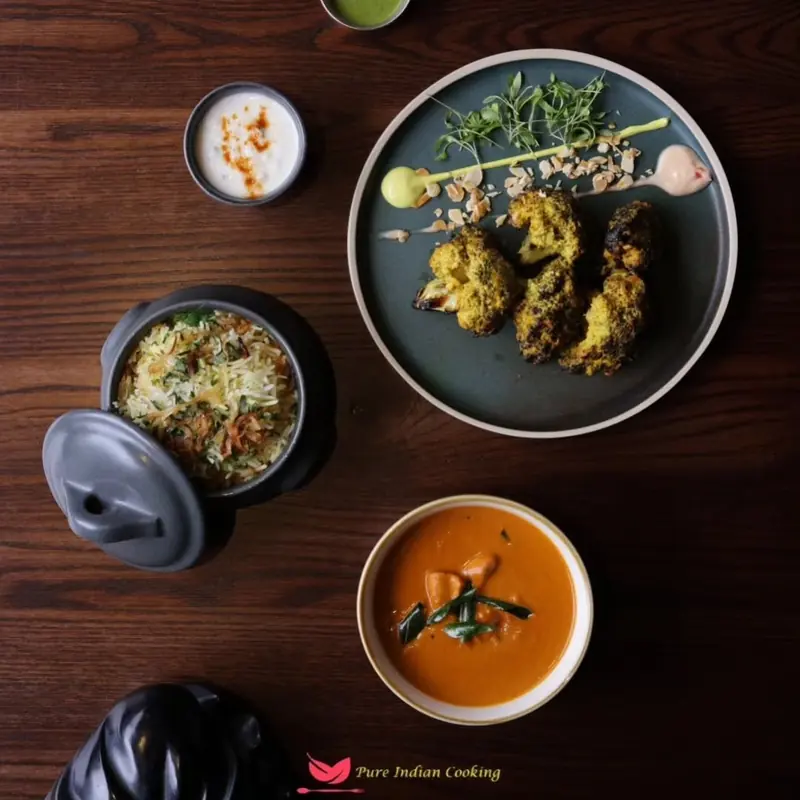
A great lamb biryani comes down to three things: long-grain basmati that stays separate, lamb that is tender and properly seasoned, and slow, sealed cooking that lets the rice and meat perfume each other. If you are looking for lamb biryani in London, ours is on the à la carte menu at £22, served at every dinner and weekend service on Fulham High Street.
At a glance
- Lamb Biryani £22, Prawn Biryani £23, Chicken Biryani £20 (à la carte, "All-Time Favourites")
- Add Raita (£4) for a cooling contrast
- Served Monday to Friday from 5.30pm, and from 1pm on Saturday and Sunday
- Also available for collection and delivery through our online ordering
- 67 Fulham High Street, SW6 3JJ, a 4-minute walk from Putney Bridge station
What exactly is a biryani?
Biryani is a layered rice dish in which partly cooked rice and spiced meat (or seafood, or vegetables) finish cooking together. It is one of the great celebration dishes of the subcontinent, with roots usually traced to the royal kitchens of the Mughal era, and it has since grown dozens of regional identities. The history of biryani is a long, much-argued one, which is part of the fun.
The key difference from a pulao is method. In a pulao, rice is usually cooked once, in a measured amount of stock or water, with the flavourings. In a biryani, rice and meat are generally prepared separately, then layered and cooked again. That second stage is where the magic happens.
Why does the rice matter so much?
Most cooks would tell you the rice is the real test of a biryani. Aged long-grain basmati is the traditional choice because the grains lengthen as they cook and stay distinct rather than clumping. A good biryani should let you see individual grains, some tinged gold or orange, some white, all fragrant.
The rice is typically par-boiled in heavily salted, spiced water until it is roughly two-thirds done. It then finishes over the meat, absorbing steam and the juices rising from below. Undercook it at the first stage and it stays chalky; overcook it and the layers turn to mush.
What is dum cooking?
"Dum" means breath, and dum cooking is the slow, sealed finish that defines many biryanis. Traditionally the pot is closed tight, sometimes with a ring of dough around the lid, and set over gentle heat so that steam cannot escape. The meat, rice and aromatics effectively cook in their own vapour.
The result, when it works, is rice that tastes of the lamb, lamb that tastes of the spices, and a scent that fills the room when the lid comes off. That patience is what separates a memorable biryani from spiced fried rice.
Which spices go into a lamb biryani?
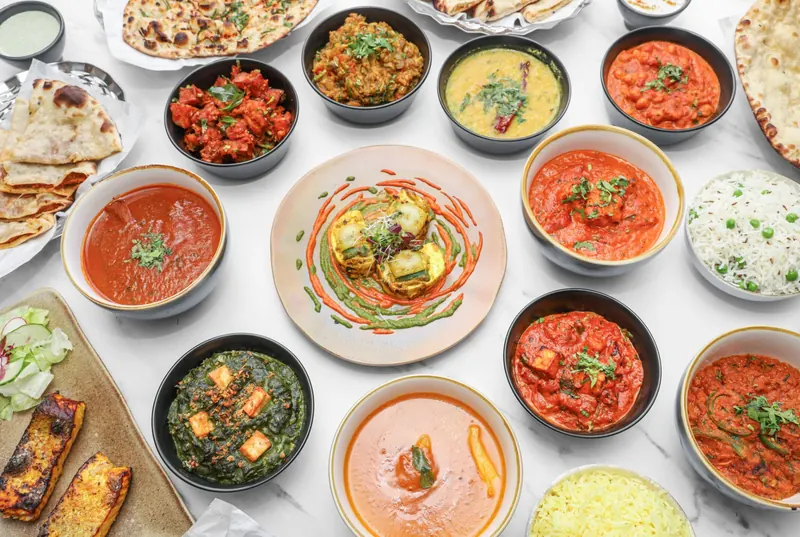
Recipes vary from family to family, but a lamb biryani usually leans on whole spices rather than a heavy sauce. Green and black cardamom, cloves, cinnamon or cassia, bay leaves and sometimes mace or star anise are common. These go into the rice water and the meat, giving warmth and perfume rather than outright heat.
The lamb itself is often marinated in yoghurt with ginger, garlic and ground spices, which helps tenderise it. Many cooks finish the layers with fried onions, fresh mint and coriander, and saffron soaked in warm milk, which gives those streaks of gold through the rice. Lamb is a natural partner for all of this, rich enough to stand up to whole spices without being overwhelmed.
Hyderabadi, Lucknowi and other regional styles
Ask where the "real" biryani comes from and you will start a friendly argument. A few of the best-known styles, in broad terms:
- Hyderabadi: often cooked "kacchi" style, with raw marinated meat layered under the rice so both cook together from the start. Typically bold and well spiced.
- Lucknowi (Awadhi): usually "pakki" style, with the meat cooked first, then layered. Generally more delicate and fragrant, with a lighter hand on chilli.
- Kolkata: descended from the Awadhi tradition and famous for adding potato, and sometimes egg, to the pot.
- Southern styles: many coastal and southern versions use shorter-grained local rice and more pepper, curry leaf or coconut.
None of these is more correct than the others. If regional cooking interests you, our guide to regional Indian cuisine traces how those differences show up across our whole menu.
Where can you eat lamb biryani in London?
Ours sits in the "All-Time Favourites" section of the menu, described simply as a traditional rice dish cooked with lamb and fragrant spices. It is a generous, complete dish in its own right. We also offer a Prawn Biryani at £23 and a Chicken Biryani at £20 for anyone who prefers either. The lamb biryani contains dairy, which is marked on the menu, so please tell our team about any allergies when you order.
Biryani is also a lovely dish to enjoy at home, and you can order online for collection or delivery. Our delivery and takeaway guide explains how that works.
| Biryani | Price | Good to know |
|---|---|---|
| Lamb Biryani | £22 | Rich and fragrant; contains dairy |
| Prawn Biryani | £23 | Lighter, with the sweetness of prawn |
| Chicken Biryani | £20 | A gentle introduction to the dish |
What should you eat with lamb biryani?
Raita is the classic companion. Our Raita (£4) brings cool yoghurt that softens the warmth of the spices and adds a little freshness between mouthfuls. Plain Yoghurt (£3) does a similar job if you prefer it simple.
Because biryani is already a complete rice dish, you will not need extra rice. Instead, pair it with something saucy or green. The slow-cooked Dal Makhani (£11) is a lovely match, as is Bhindi Anardana (£11) or Lasooni Palak (£11) for a vegetable contrast. If the table is sharing, a starter from the tandoor such as the Methi Malai Chicken Tikka (£12) makes a good opening. Our à la carte dish guide has more ideas for building a meal.
To drink, a soft, fruity red such as the Tamari Malbec (£28 bottle / £8 glass) or the La Réserve, Grover's from Karnataka (£41 / £10) works well with lamb. A Mango Lassi (£5.50) is a classic alcohol-free choice. See the full wine list for more.
Plan your biryani night
Lamb biryani is a dish for sharing and lingering, so give yourselves time. We are open from 5.30pm on weekdays and from 1pm at weekends; all the details, including directions from Putney Bridge, are on our visit page. When you are ready, book a table and come hungry.
Frequently asked questions
How much is the lamb biryani at Pure Indian Cooking?
The Lamb Biryani is £22 on our à la carte menu. We also serve Prawn Biryani at £23 and Chicken Biryani at £20.
What is the difference between biryani and pulao?
A pulao is usually cooked in one stage, with rice absorbing a measured amount of flavoured liquid. A biryani generally layers part-cooked rice with separately prepared meat and finishes them together, often by slow, sealed dum cooking.
What do you serve with lamb biryani?
Raita is the traditional accompaniment, and ours is £4. A dal or vegetable dish such as Dal Makhani or Bhindi Anardana makes a good partner, and you will not need extra rice.
Can I order lamb biryani for delivery in Fulham?
Yes. You can order our biryanis for collection or delivery through our online ordering page, powered by NextOrder.
Is the lamb biryani suitable for a dairy-free diet?
Our Lamb Biryani is marked as containing dairy. Please speak to our team about any allergies or dietary needs before ordering.
Book a table at Pure Indian Cooking
67 Fulham High Street, London SW6 3JJ · 020 7736 2521