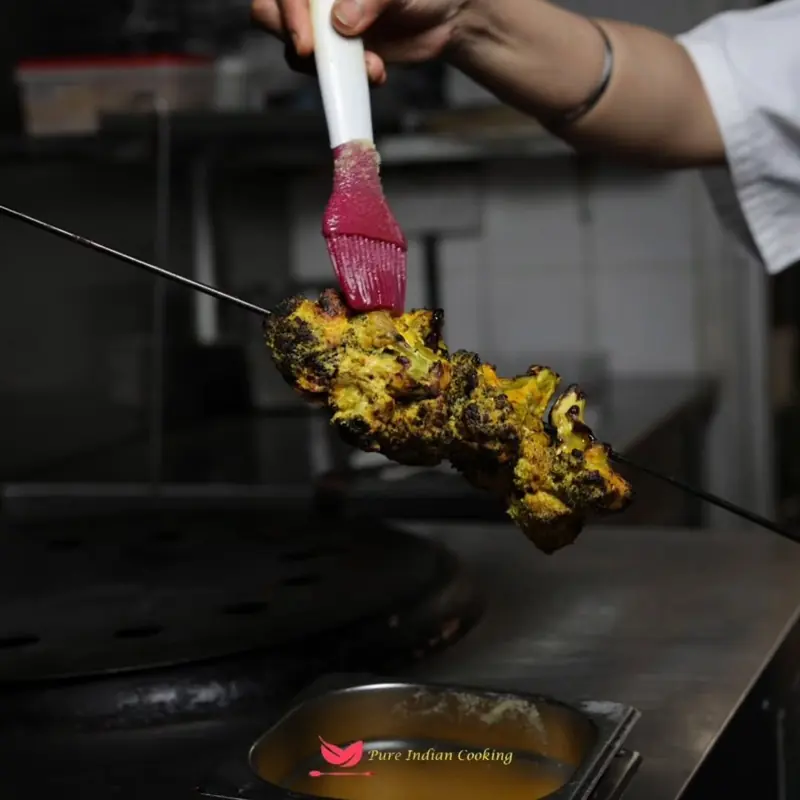
Traditional Indian spices shape regional flavour through three things: which spices a region favours, whether they are used whole or ground, and when they go into the pan. Cardamom and mace lend perfume in the north, mustard seed and curry leaf crackle through southern and coastal cooking, and chillies such as Kashmiri and byadgi bring colour as much as heat. Below is a guide to the key spices and where you can taste each one on our menu.
Why do Indian spices taste so different from region to region?
India is a huge country with very different climates, crops and cooking fats, so it is no surprise that its spice habits vary. Our guide to regional Indian cuisine tours the menu region by region. Coastal kitchens lean on coconut, curry leaves and souring agents like tamarind and kokum. Northern cooking often uses dairy and warm whole spices. Rajasthan is known for fiery red chillies, Bengal for mustard.
Even the same spice behaves differently depending on how it is treated. A whole cardamom pod simmered in a sauce gives a gentle background note; ground cardamom in a marinade is much more forward. That is why two dishes with near-identical ingredient lists can taste worlds apart.
Whole or ground: what is the difference?
Whole spices release their flavour slowly. They are often fried in oil at the start of cooking or simmered in a sauce, and they suit long, slow dishes. Ground spices give up their flavour quickly and blend into a paste or marinade, which is why they are used for tandoori and tikka dishes.
Many kitchens toast and grind spices to order, because aroma fades once a spice is ground. Blends such as garam masala vary from household to household; there is no single correct recipe.
What is tadka, or tempering?
Tadka is the technique of heating whole spices, and often aromatics like garlic and curry leaves, in hot oil or ghee until they sizzle and release their flavour. The fragrant oil is then poured over a dish or used as its base. It is one of the most recognisable sounds and smells of Indian home cooking.
You can taste it in our Dal Tadka (£11), yellow lentils tempered with tomatoes, cumin and mustard seeds, curry leaves and garlic, and in the Asparagus Poriyal (£9), asparagus tempered with mustard and curry leaves and finished with coconut.
Which traditional Indian spices should you know?
Here are the spices that do the most work on our menu, with a dish where you can taste each one.
| Spice | What it brings | Where to taste it |
|---|---|---|
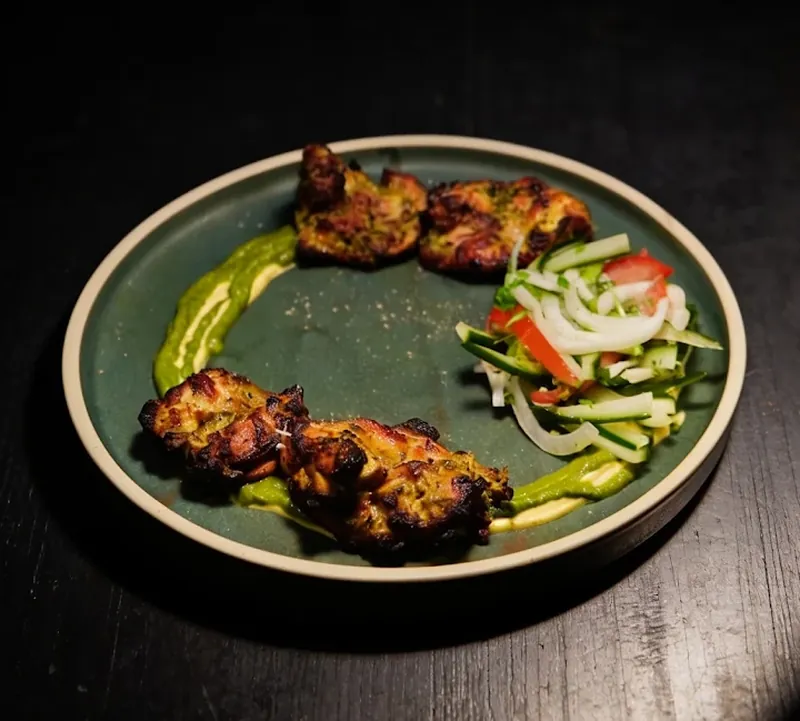
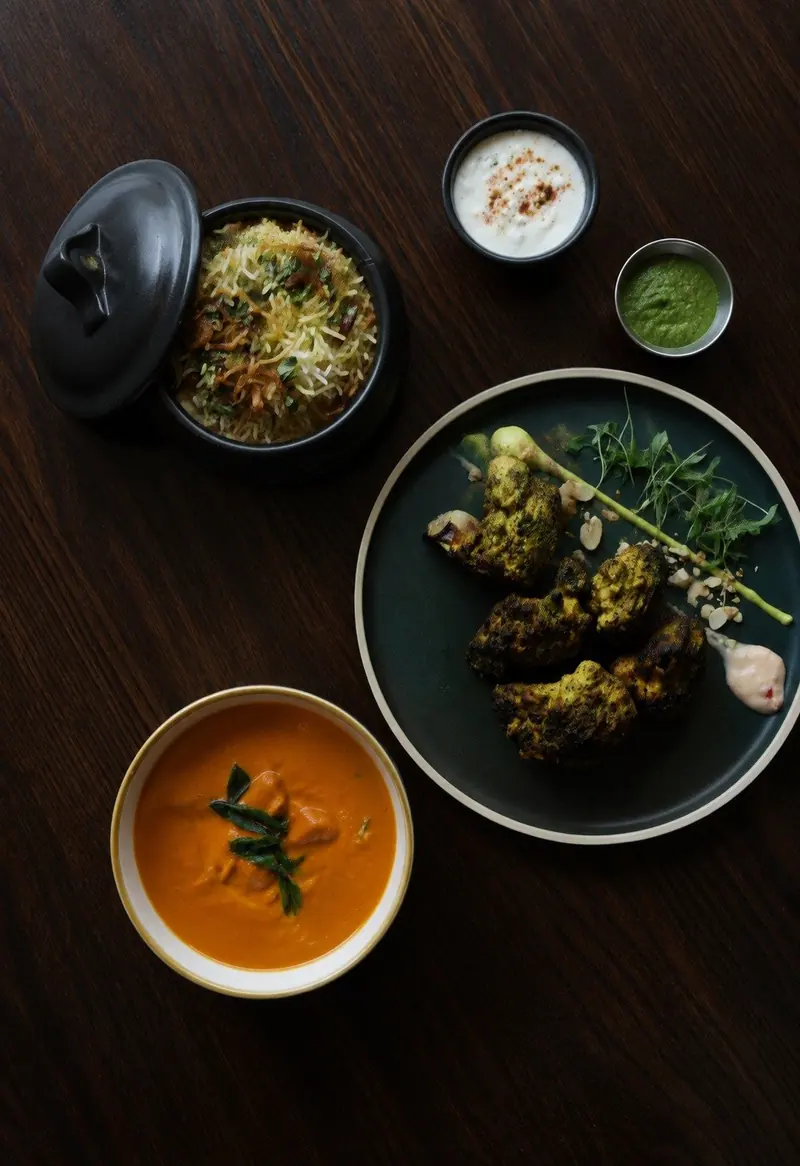
| Cardamom | Sweet, floral perfume | Methi Malai Chicken Tikka (£12); Homestyle Lamb Curry (£18) |
| Mace | Warm, delicate, nutmeg-like | Methi Malai Chicken Tikka (£12) |
| Fenugreek (methi) | Savoury, slightly bitter, maple-like | Methi Malai Chicken Tikka (£12); Lasooni Palak (£11) |
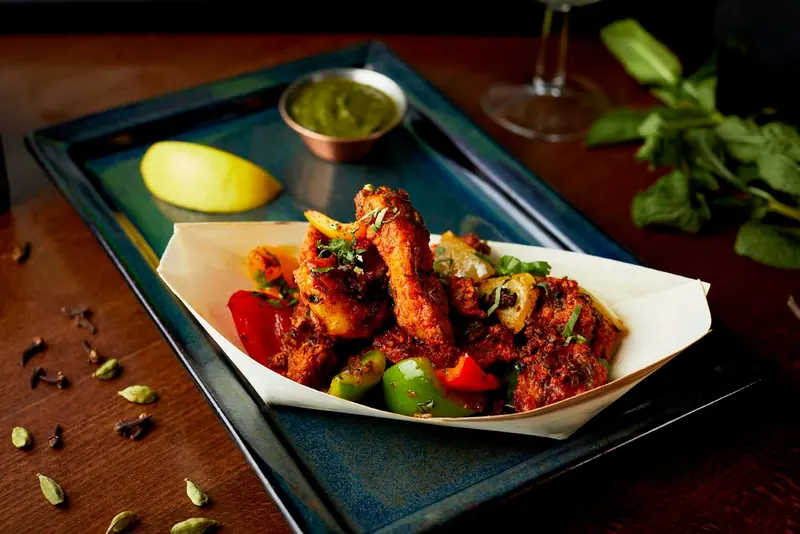
| Cloves | Deep, warming, slightly numbing | Lamb Sukke (£18) |
| Fennel | Sweet, aniseed freshness | Andhra Shrimps (£11); Nalli Ghosht (£23) |
| Mustard seed | Nutty pop when tempered, sharp when ground | Panfried Seabass & Mixed Seafood (£20); Dal Tadka (£11) |
| Curry leaf | Fresh, citrusy, savoury aroma | Aloo Ghee Roast (£11); Malabari Paneer Tikka (£11) |
| Kashmiri chilli | Vivid red colour, moderate heat | Prawn Curry (£20); Squid Chilli Fry (£11) |
| Byadgi chilli | Deep red colour, mild heat | Mangalorean Chicken (£16) |
| Cinnamon | Sweet warmth | Homestyle Lamb Curry (£18) |
| Saffron | Honeyed aroma, golden colour | Saffron Pulao (£4); Delicate Saffron Gimlet (£11) |
| Kokum | Gentle fruity sourness | Kokum Granita (tasting menu); Kokum Sharbat (£7) |
How do chillies shape regional flavour?
Chillies arrived in India relatively late in its culinary history, but they have been woven into regional cooking ever since. Different varieties do very different jobs.
Kashmiri chilli is prized for its bright red colour and moderate heat. Our Prawn Curry uses whole dry Kashmiri chilli with garlic, black pepper, coconut and tamarind. Byadgi chilli, from Karnataka, is similar in spirit, deep red with mild heat, and it is the backbone of our Mangalorean Chicken with coconut. Our post on Mangalorean chicken curry explores that coastal style.
Further north, the Venison Lal Maas (£23) uses Jodhpuri chilli in a smoky red curry with yoghurt and garlic, a nod to Rajasthan's famously fiery lal maas.
What are the souring spices?
Sourness is an underrated part of Indian flavour. Tamarind is widely used, especially in the south and in chaat chutneys. On the west coast, kokum, the dried rind of a fruit related to mangosteen, gives a softer, fruitier tang.
On our menu, kokum appears as a palate-cleansing Kokum Granita midway through the tasting menu, and as Kokum Sharbat (£7) on the mocktail list, described as a delicacy of India's west coast. Raw mango plays a similar role in the sauce for our Panfried Seabass & Mixed Seafood.
How do spice blends work in a single dish?
Most dishes rely on a blend rather than one star spice. The Lamb Sukke (£18) is a Maharashtrian-style preparation built on cloves and chilli; our post what is Lamb Sukke? looks at it in detail. Kadai Style Chicken (£16) uses crushed coriander seeds and dry red chilli, and Baingan Bharta (£11) leans on roasted ground cumin and fresh ginger.
Spice even reaches the bar. The Spiced Mojito (£11) brings star anise and cinnamon, and the Smoking Jim Old Fashioned (£12) is finished with clove smoke.
Taste the spices for yourself
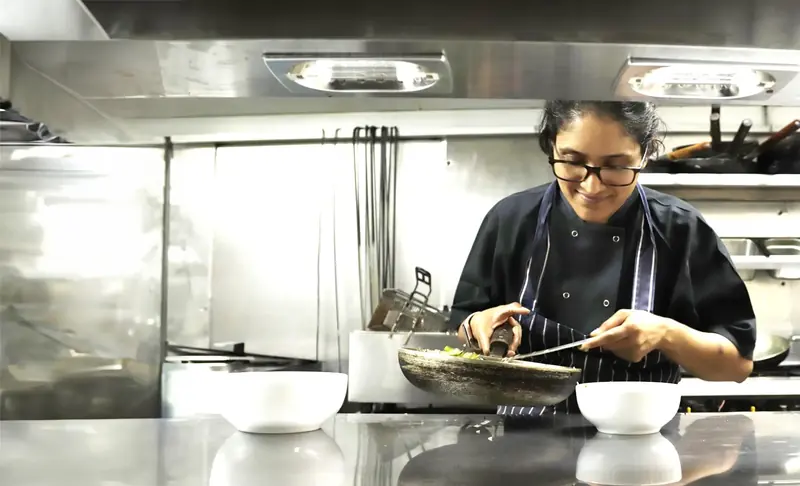
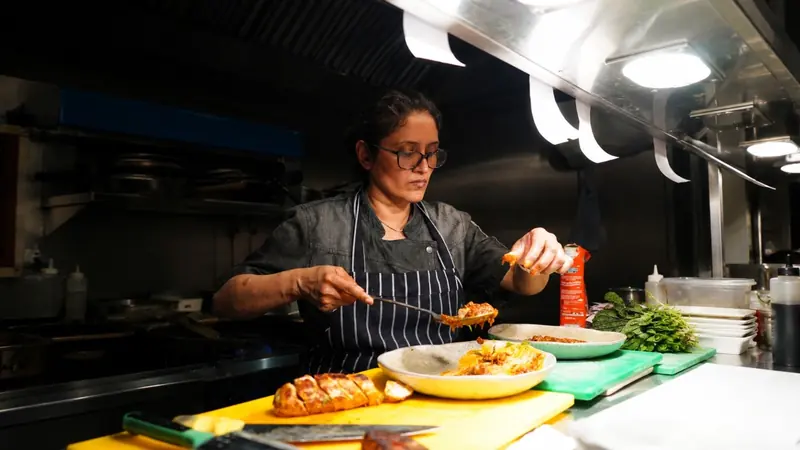
The easiest way to explore is to order across regions: something tempered, something from the tandoor and something coastal. Browse the full à la carte menu, read about Chef Shilpa's background on our about page, then book a table. Directions and opening hours are on the visit page. If you have any allergies, please tell our team, as allergens are marked on every menu.
Frequently asked questions
What are the most common traditional Indian spices?
Cumin, coriander, turmeric, mustard seed, cardamom, cloves, cinnamon, fenugreek and chilli are among the most widely used. Which ones dominate depends heavily on the region and the dish.
Is Indian food always hot?
No. Spice means flavour, not just heat. Dishes such as Methi Malai Chicken Tikka and Dal Makhani are gentle, and spicy dishes are marked on our menu.
What is the difference between Kashmiri and byadgi chilli?
Both are valued for deep red colour and relatively mild heat. Kashmiri chilli is associated with northern cooking, while byadgi chilli comes from Karnataka and is common in coastal dishes such as our Mangalorean Chicken.
What is kokum?
Kokum is the dried rind of a fruit from India's west coast, used to add a gentle sourness. You can taste it in our Kokum Sharbat mocktail and the Kokum Granita on the tasting menu.
Book a table at Pure Indian Cooking
67 Fulham High Street, London SW6 3JJ · 020 7736 2521